Your Building Shouldn’t Need You
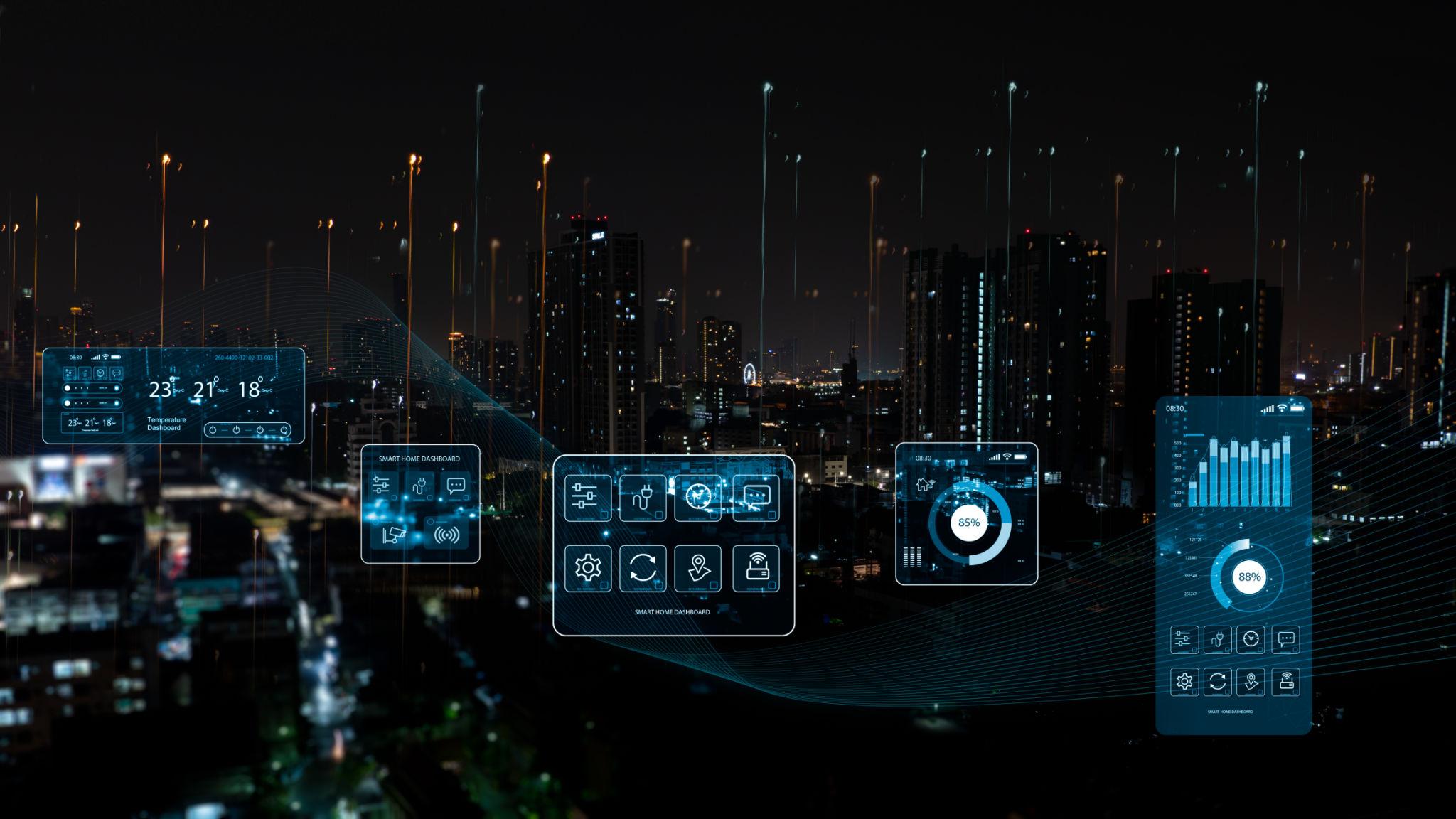
Most buildings are still being run
Manually.
Constantly.
Quietly.
Not in obvious ways — but in hundreds of small decisions that add up every single day.
Turn the heating on.
Turn it off.
Adjust it.
Forget it.
Fix it later.
Lights left on.
Rooms heated when empty.
Systems running because… that’s just how they’ve always run.
It doesn’t feel broken.
But it is.
The Invisible Work No One Talks About
No one starts thinking:
“I spend my time managing a building.”
But they do.
- Checking temperatures
- Adjusting schedules
- Managing energy use
- Reacting to problems after they happen
Whether it’s a home, rental, office, or workspace…
👉 The building depends on you more than it should.
The Problem Isn’t the Hardware
Most places already have:
- Heating systems
- Timers
- Smart thermostats
- Sensors
- Apps
And yet…
Nothing actually runs itself.
Because all of these are:
👉 Tools — not intelligence
They wait for instructions.
They don’t think.
They don’t adapt.
They don’t optimise.
So the burden stays with you.
What If the Building Just… Ran?
Not on a fixed schedule.
Not based on guesswork.
But based on what’s actually happening.
- Heating turns on only when it needs to
- Rooms aren’t heated when empty
- Systems adjust automatically based on usage
- Energy is used intentionally, not accidentally
No reminders.
No micromanaging.
No “did I leave that on?”
👉 Just a building that behaves properly.
This Isn’t “Smart Home”
“Smart” has come to mean:
- Another app
- Another notification
- Another thing to check
That’s not intelligence.
That’s just more interaction.
AirAutomate is the opposite.
👉 Less input. More outcome.
Enter Alfred
Every AirAutomate system is powered by something we call Alfred.
Not a gadget.
Not a voice assistant.
👉 The operational brain of your environment.
Alfred:
- Understands what’s happening
- Decides what should happen
- Executes it across your systems
Quietly.
In the background.
Relentlessly consistent.
What That Actually Means
Instead of:
“Set the heating for 6pm”
Alfred does:
- Notices nobody is home → doesn’t heat
- Sees someone is on their way → prepares the space
- Detects changes in usage → adapts automatically
- Learns patterns over time → improves continuously
No intervention.
No second-guessing.
The Cost of Doing Nothing
Right now, doing nothing feels normal.
But what you’re actually accepting is:
- Wasted energy
- Constant low-level decisions
- Systems that don’t communicate
- A building that depends on you to function properly
And it compounds.
Every day.
The Shift That’s Coming
This isn’t a “nice upgrade.”
It’s a shift in how buildings operate.
From:
👉 Manually controlled environments
To:
👉 Self-operating environments
And like every shift…
At first, it’s invisible.
Until suddenly:
👉 You notice who’s ahead… and who isn’t.
One Question
If your building could run itself…
Why would you still be running it?